Solutions For Allergy Sufferers
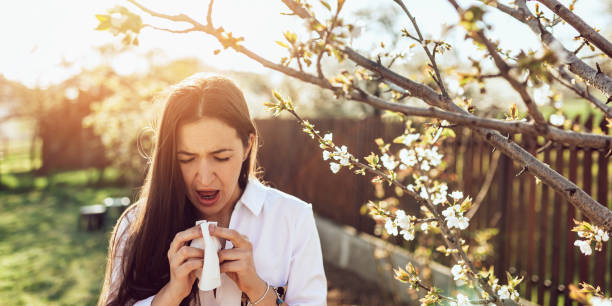
Solutions for allergy sufferers become especially valuable when pollen rises in late spring and summer. Many people with hay fever feel trapped indoors during the warmest months. Artificial grass offers one practical way to lower exposure in the garden. It produces no pollen of its own. Therefore, converting part or all of a lawn can reduce the local allergen load and make outdoor time more comfortable.
How Pollen Affects Daily Life
Hay fever symptoms often peak between March and September. Warm, humid or windy days push pollen counts higher. Doctors commonly advise sufferers to limit time on grass and avoid long outdoor stays. This restriction frustrates families who want to enjoy sunny weather. Children miss garden play. Adults skip barbecues or simply sitting outside. Solutions for allergy sufferers aim to restore some of that freedom without worsening symptoms.
Natural lawns release large amounts of grass pollen. Nearby trees and weeds add more. Artificial grass removes the garden’s own contribution. It does not eliminate pollen that drifts in from outside the property. Still, the immediate area around the house becomes cleaner. Many users notice fewer sudden reactions when they step outside.
Reducing Allergens with Artificial Grass
Replace the main lawn with artificial grass and the garden stops generating its own pollen. The surface stays green without mowing, which itself stirs up particles. Additionally, you avoid fertilisers and herbicides that can irritate sensitive airways or skin. Pets benefit too. They no longer track pollen-heavy grass into the house on their fur.
Pollen can still settle on the fibres from the air. Regular rinsing with a hose washes these particles away. Brush the surface occasionally so debris does not collect deep in the pile. These simple steps keep the artificial area as low-allergen as possible. For detailed brushing advice see our guide on how to brush artificial grass.
Place artificial grass at key entry points. Cover the ground immediately outside front and back doors. Add sections under window bays or near air vents. This creates a buffer zone. People and pets pick up less pollen before they enter the house. As a result, indoor allergen levels often drop.
Practical Maintenance for Allergy Relief
Consistency matters. Hose the lawn during high-pollen periods, ideally in the evening when counts fall. Focus on areas near seating or play zones. Use a soft brush or leaf blower on dry days to shift surface dust before rinsing. Avoid vigorous dry sweeping that can loft particles into the air.
Choose a product with good drainage so water does not pool and encourage mould. A solid sub-base prevents damp patches. Discuss these details with your installer. Questions to ask appear on our page about your artificial grass installers. Proper preparation supports both performance and cleanliness.
Additional Ways to Support Allergy Management
Artificial grass works best alongside other habits. Check daily pollen forecasts and plan outdoor time for lower-count periods. Keep windows closed on high days and use filters if available. Shower and change clothes after time outside to remove settled pollen.
Create shaded seating areas so you can still enjoy the garden without prolonged sun exposure. Add raised planters with low-allergen plants if you want some greenery. Native species that produce less airborne pollen suit many gardens. Meanwhile, artificial grass handles the high-traffic zones that would otherwise generate the most grass pollen.
Families with multiple sufferers gain extra value. Children can play on a soft surface without triggering immediate symptoms. Pets stay cleaner. The whole household spends less time managing reactions. Broader advantages of the material appear under artificial grass benefits.
Cost, Longevity and Realistic Expectations
The initial outlay covers materials and installation. Over time, savings on mowing, water, fertiliser and reseeding often balance the cost. Quality products last ten years or more with basic care. Factor your expected time at the property when deciding. Advice on this appears in the article on investing in artificial grass.
Artificial grass does not cure hay fever. It lowers one major local source of pollen. Combined with medical advice, medication and good habits, it forms part of effective solutions for allergy sufferers. Some people still react to tree or weed pollen from farther away. Track your own symptoms after installation to measure the difference.
Design Ideas That Support Comfort
Keep main seating and play areas on the artificial surface. Border it with hard landscaping or low-pollen planting. Add a small water feature or shaded pergola for cooler spots. Vertical features or walls can screen wind that carries pollen. See creative options in our piece on artificial grass ideas.
For sports or active families, shorter pile heights suit high use while remaining easy to rinse. Guidance on fibre length sits on the page about choosing the right pile height. Multi-use spaces stay functional year-round because the surface drains and stays level.
Common Concerns and Clear Answers
Will the grass still collect pollen? Yes, but rinsing removes most of it. Does it help pets? Many owners report less tracking of outdoor allergens indoors. Is professional installation necessary? A correct base and secure edges prevent later problems that could trap moisture or debris. Issues and fixes are covered in our article on artificial grass issues.
Solutions for allergy sufferers work best when the whole garden strategy aligns. Artificial grass handles the high-exposure lawn area. Supporting habits and medical care address the rest. The combination often lets people spend more comfortable time outdoors during peak season.
Contact the team for samples, product advice or a quote tailored to an allergy-conscious garden. A well-planned installation can make summer more enjoyable for everyone in the household.
- By: Admin EYAL
- Uncategorized
- No Comments
Artificial Grass For Chickens
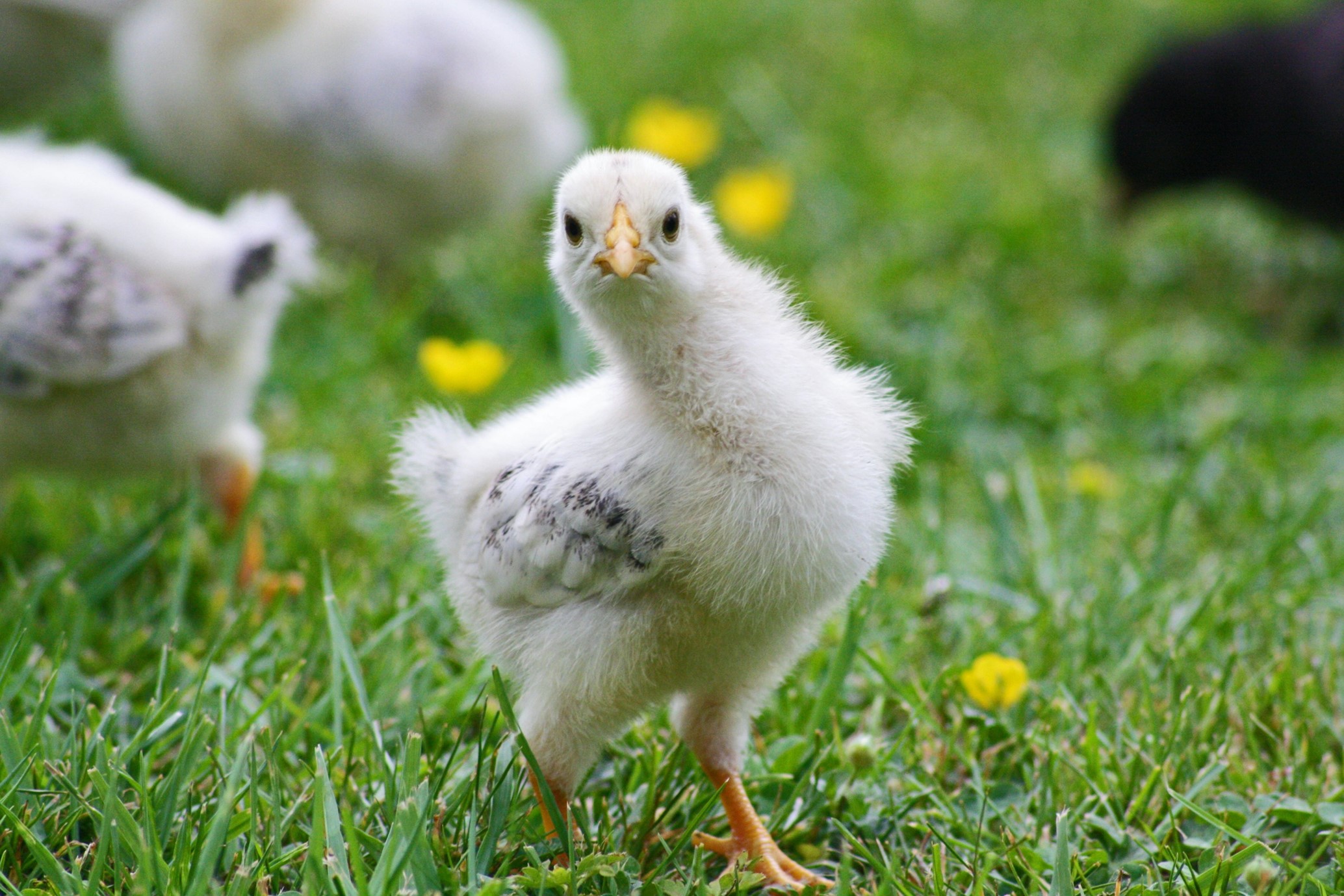
Artificial grass for chickens gives keepers a practical alternative to natural lawns that quickly turn bare. Chickens scratch, peck and forage constantly. Natural grass struggles under that pressure and often develops patchy or muddy areas. Therefore, many owners now use synthetic turf inside runs, coops or dedicated outdoor spaces. The material withstands daily activity while remaining easy to clean and free from chemicals.
Why Natural Grass Struggles with Chickens
Chickens treat grass as both food and entertainment. They pull blades, dig shallow holes and concentrate activity in favourite spots. Within weeks a once-green area can look sparse. Rain turns the bare ground muddy. Droppings add to the mess and create odours. Additionally, owners often apply weed killers or fertilisers that pose risks to birds. Artificial grass for chickens avoids these cycles. The synthetic fibres do not get eaten away, so the surface stays intact.
Durability and Wear Resistance
High-quality artificial grass uses tough yarns designed for foot traffic and outdoor exposure. Chickens can scratch across it without creating permanent bare patches. The backing holds the fibres securely. As a result, the area retains a consistent green appearance year-round. Owners report that even active flocks leave the surface looking usable rather than destroyed. This durability reduces the need for constant reseeding or temporary ground cover.
Animal-Friendly and Chemical-Free
No pesticides or herbicides are required on artificial grass. This removes a common source of risk for chickens and other garden wildlife. The surface needs only occasional rinsing to stay clean. Furthermore, the absence of soil means fewer weeds compete for space. Keepers can focus on the birds rather than lawn treatments. Many also appreciate that the material does not introduce additional allergens or irritants into the run.
Low-Maintenance Cleaning
Droppings rinse away with a hose. A quick wash every week or two, depending on flock size and weather, keeps the area hygienic. The permeable backing allows water to drain rather than pool. Therefore, smells stay controlled and the run remains pleasant for both birds and people. Brushing lifts any flattened fibres and removes loose debris. These simple steps replace the heavier work of repairing natural turf. For general brushing techniques see our guide on how to brush artificial grass and artificial grass cleaner
Creating a Suitable Environment
Artificial grass for chickens provides a clean, even surface that mimics the look of grass without the upkeep. Birds still forage, dust-bathe in designated spots and move freely. Some commercial and hobby keepers use it to meet welfare expectations for outdoor access and comfortable flooring. The even texture reduces mud-related foot problems in wet weather. Additionally, the surface drains well, so the run stays usable after rain instead of becoming a quagmire.
Pair the grass with other enrichment. Add dust-bath areas filled with sand or soil in contained sections. Provide perches, shade and foraging toys. The artificial surface handles the high-traffic zones while the extra features support natural behaviours. This combination keeps chickens active and the ground manageable.
Installation Considerations for Coops and Runs
Prepare a solid, free-draining base so water moves away from the area. Compacted aggregate works well under the grass. Secure the edges firmly so birds cannot lift the material while scratching. Steel or durable edging prevents gaps. Discuss drainage and base depth with your installer, especially if the run sits on heavy clay. Relevant questions appear on the page about your artificial grass installers.
Choose a pile height that balances appearance and cleanability. Shorter to mid-range piles often rinse more easily. Review options in our article on choosing the right pile height. For areas with heavy soiling, a permeable backing helps moisture pass through. Avoid products that trap liquid if chickens will spend long periods on the surface.
Ongoing Care and Potential Issues
Rinse regularly and remove solid waste promptly. In hot weather, more frequent washing prevents odours. Check for any lifting at the edges after heavy scratching and re-secure as needed. Most quality products resist pecking damage, but inspect periodically. If minor wear appears in one spot, a small repair section can restore the area.
Drainage remains important. A poorly prepared base can lead to damp patches even with good grass. Address these early using the steps outlined in our piece on artificial grass issues. Overall, the maintenance load stays far lower than with natural grass.
Cost and Long-Term Value
The initial cost covers materials and proper installation. Over time, owners save on reseeding, fertiliser, weed control and labour spent repairing bare ground. The surface typically lasts many years under normal chicken use when the base is correct. Factor flock size and expected time at the property when budgeting. Broader considerations appear in the guide on investing in artificial grass.
Additional Practical Tips
Locate the main run on the artificial surface and keep a separate dust-bath zone. Provide shade so birds can escape direct sun. Rotate enrichment items to encourage even use of the space. In winter the surface stays firmer and less muddy than natural ground, giving birds continued outdoor access. Meanwhile, good ventilation in the coop and run supports overall health.
Artificial grass for chickens works well alongside other garden features. It can border planting areas or sit next to paths without the mess of bare soil. Creative layout ideas appear in our article on artificial grass ideas. Wider performance benefits are covered under artificial grass benefits.
Artificial grass for chickens delivers a durable, clean and low-effort surface that supports both the birds and the keeper. It resists the wear that destroys natural lawns and simplifies daily care. Contact the team for product advice, samples suited to animal areas or a quote for your coop and run.
- By: Admin EYAL
- Uncategorized
- No Comments
Latex vs K9 Artificial Grass
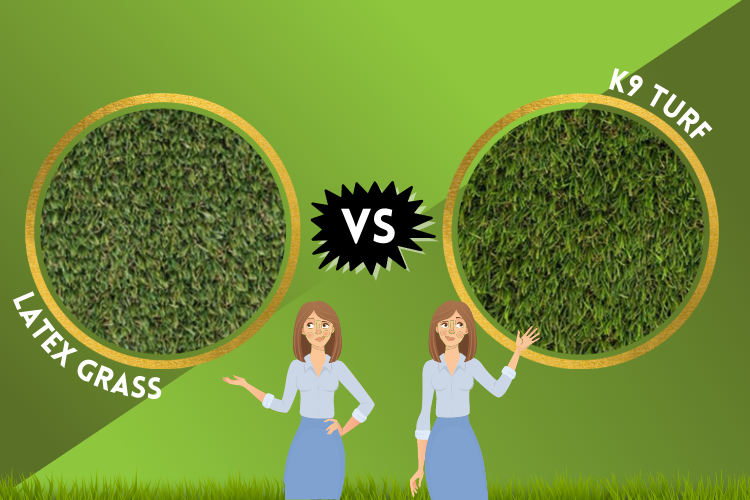
Latex vs K9 artificial grass comes down to how each handles moisture, pet waste and long-term freshness. Many owners install standard latex-backed products for their low price and clean look. Within a year or two, strong ammonia smells from dogs often force a full replacement. K9 Turf was developed specifically to solve this problem. Therefore, understanding the differences helps you avoid costly mistakes and choose a surface that stays usable for the whole family.
Why Latex Backing Causes Problems with Pets
Latex-backed grass relies on a limited number of drainage holes. Pet urine soaks into the material and the base below. Bacteria multiply in the trapped moisture. The result is a persistent ammonia odour that worsens in warm weather. Even regular hosing rarely clears it completely. Additionally, the smell can transfer to shoes, paws and indoor spaces.
Owners report that the lawn becomes unpleasant for people and sometimes for the dogs themselves. Pulling up the grass and starting again is expensive and disruptive. These issues appear most often when pets use the area as a toilet, even occasionally. Standard products simply were not designed for that level of organic waste.
What Makes K9 Turf Different
K9 Turf uses a woven polyurethane backing with a full Pro Flow system. The entire backing acts as a drainage surface. There are no small holes that can clog. Moisture moves through quickly into the prepared base. This design reduces the chance of standing liquid and bacterial growth.
The product is manufactured with pet use in mind. It pairs with specialised zeolite infill and an enzyme cleaner. Together these elements form a system that manages waste rather than trapping it. As a result, the surface stays fresher for longer under normal family and pet activity.
The Four-Phase Approach
The system works in stages. First, installers remove existing turf to a suitable depth and prepare a solid, free-draining base. Steel edging creates clean, durable borders that do not rot or hold moisture the way timber can.
Second, the polyurethane backing allows rapid through-flow. Liquid does not sit on or in the material. Third, zeolite infill sits within the pile. When urine contacts it, the mineral crystallises the waste and locks in the ammonia. Rain or a hose later releases the crystallised material through the backing.
Fourth, a bio-enzyme cleaner breaks down remaining organic matter. It penetrates the surface, reduces bacteria and controls odours without harsh chemicals. The cleaner is safe for pets and children once the area has dried. Regular use, typically every one to three months depending on traffic, keeps the system effective. For more on the cleaner see our guide on how to clean k9turf.
Direct Comparison on Key Points
Latex products cost less at the start. They suit low-traffic decorative areas with no pets. However, drainage is limited and odours develop quickly with animal use. Warranties often exclude pet-related damage.
K9 Turf carries a higher initial price. The investment includes the specialised backing, compatible infill and access to the enzyme cleaner. Many owners receive an extended guarantee when they follow the maintenance schedule. The surface remains usable year-round without the strong smells that force replacements. Furthermore, the system supports both dogs and other family members safely.
Drainage speed, odour control and long-term hygiene favour the K9 option whenever pets are present. For non-pet gardens, either can work, but the polyurethane backing still offers better moisture management in wet UK conditions.
Installation and Base Requirements
Both types need a compacted, free-draining sub-base. Poor preparation leads to dips and poor drainage regardless of the grass chosen. With K9 Turf the base must allow the released waste to disperse properly. Installers typically excavate to a consistent depth and use suitable aggregates.
Edge finishing matters. Steel edging stays stable and does not absorb liquid. Timber can rot and retain smells if pets mark it. Discuss these details before work begins. Relevant questions appear on the page about your artificial grass installers.
Maintenance Differences
Latex lawns need occasional brushing to lift fibres. Pet waste still creates ongoing odour issues that brushing alone cannot solve.
K9 Turf requires the same brushing plus scheduled enzyme applications and zeolite top-ups as the infill depletes. The extra steps take little time once they become routine. In return, the lawn stays hygienic. Details on general brushing sit in our article on how to brush artificial grass. Infill background appears under what is infill.
Cost, Warranty and Long-Term Value
Calculate the full cost over five to ten years. A latex installation that needs early replacement often exceeds the price of a correctly specified K9 system. The extended guarantee on K9 products provides additional security when maintenance conditions are met.
Factor in reduced disruption and the ability to use the garden freely. Many households find the pet-friendly option delivers better value once odour problems are included in the calculation. Broader budget points are covered in the piece on investing in artificial grass.
Who Should Choose Each Option
Choose standard latex-backed grass for decorative areas, low footfall or spaces without pets. It meets basic aesthetic needs at a lower entry cost.
Choose K9 Turf when dogs or other pets will use the lawn. The combination of permeable backing, zeolite and enzyme cleaner addresses the main failure point of conventional products. Families with children also benefit from the non-toxic cleaner and reduced bacterial risk.
If you remain unsure, request samples of both and discuss your specific pet habits with the team. Reviewing recent installations helps confirm real-world performance.
Latex vs K9 artificial grass is ultimately a question of matching the product to actual use. For pet households the specialised system prevents the odour cycle that leads to early replacement. Contact the team for product details, samples or a quote based on your garden and animals.
- By: Admin EYAL
- Uncategorized
- No Comments

COVID-19: Update
This COVID-19: Update confirms that we continue operations under current government guidelines. Customer and staff safety remain the priority. Therefore, we run restricted services until further notice. Indoor showrooms stay closed. However, you can still view products at our Huddersfield head office outdoor display.
Outdoor Display Access
The head office features a walk-on outdoor display. This setup supports social distancing while you browse the grass range in person. We limit entry to two members of the public at any time. Please wear a mask throughout your visit. These steps protect everyone on site. If you need help while viewing the display, ask at the warehouse. A team member will assist you. Alternatively, ring the number on the office door. Staff will come out promptly.
Support Hours and Contact Options
Our teams work 9am to 5pm, Monday to Friday. They answer questions by phone or during outdoor visits. Do not hesitate to call if you need product advice, samples or installation details. We aim to keep service levels high despite the restrictions. Many customers prefer phone consultations followed by a short outdoor viewing. This approach reduces time on site while still letting you see textures and colours.
Additional Safety Steps
We follow enhanced cleaning in shared areas. Staff maintain distance during any interaction. Hand sanitiser is available at entry points. Please follow all on-site signage. These measures align with the latest guidance and help us stay open for essential enquiries. If guidelines change, we will adjust access rules quickly and share the details here.
Product and Project Continuity
Installations and supply continue where safe and permitted. Outdoor work often proceeds with minimal indoor contact. Discuss your project timeline when you call. We can arrange sample drop-offs or virtual reviews if an in-person visit is difficult. Related information on product performance appears on pages such as artificial grass benefits and your artificial grass installers.
Future Updates
We monitor official announcements closely. Any new COVID-19: Update on opening hours, visitor numbers or additional precautions will appear on this page. Thank you for your continued support during this period. Your patience helps us protect both customers and the team while we keep the business running.
Suggested image alt attributes:
- “COVID-19: Update outdoor display at Huddersfield head office”
- “Social distancing measures during COVID-19: Update customer visits”
Contact us during the stated hours for the latest arrangements or to book a viewing slot.
- By: Admin EYAL
- Uncategorized
- No Comments